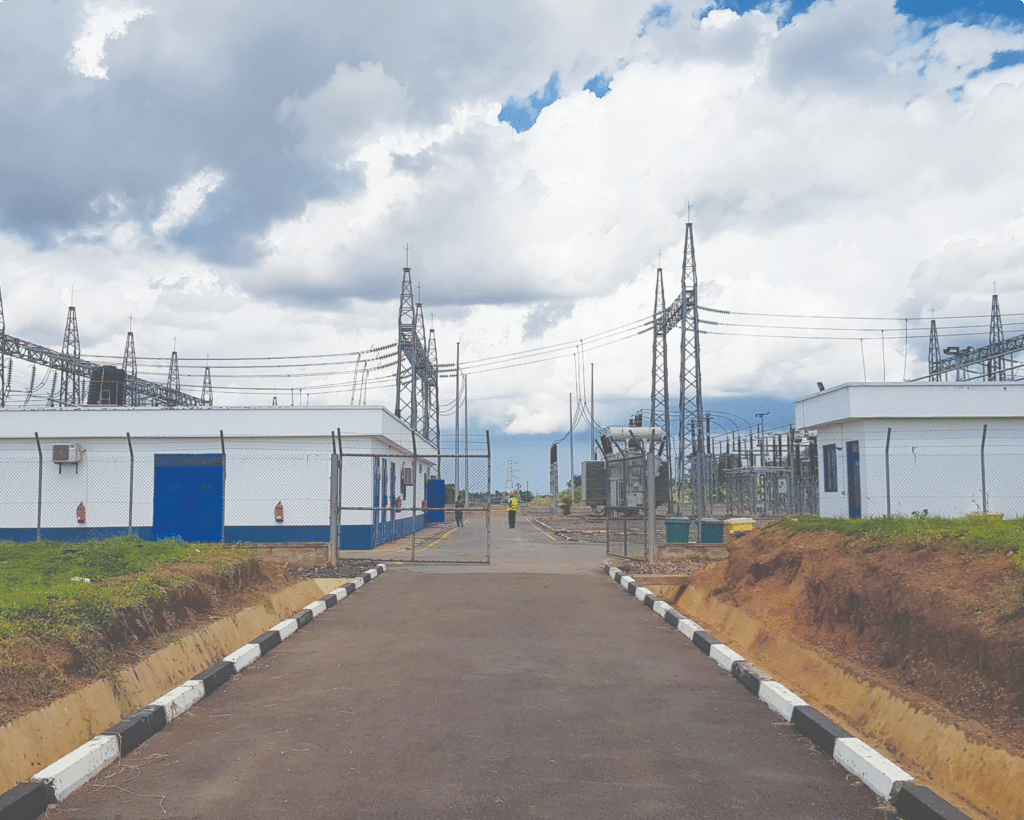
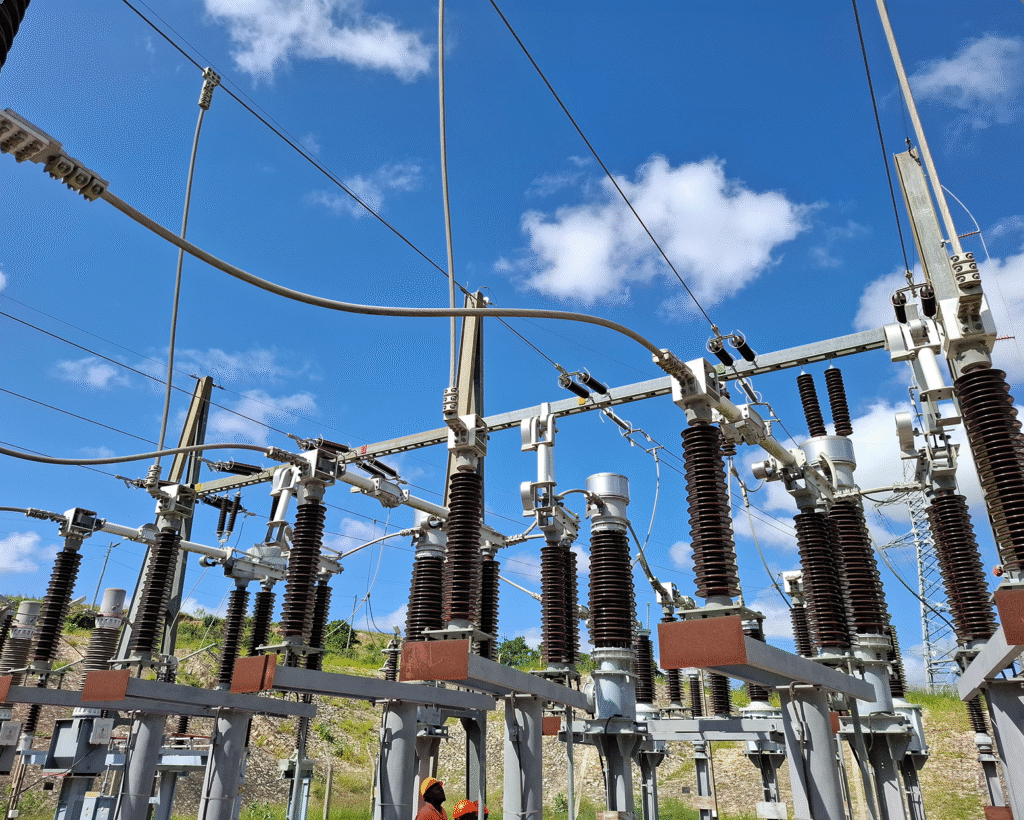
Despite recent investment in electricity generation, the lack of progress in developing electricity networks is a major bottleneck to energy access, economic growth and progress on Africa’s climate commitments.
There is a clear need for the private sector to invest in electricity networks across Africa. Historically, most capital has previously been raised by donors or governments and has fallen short of the needs of the continent’s growing economies and population.
When we were established, there was no capitalised private sector investor doing active, early-stage project development. By engaging with governments, private developers and investors, we help shape the market and attract more private sector investment.
Our investment approach is underpinned by a focus on the financial viability of insolvent utilities; on identifying replicable business models; and on mobilising private capital.
We currently focus our development activities on Africa, but we are also able to look opportunistically beyond the continent for investments in other countries in British International Investment’s geographical remit.
Our portfolio of projects currently operates across Africa, in countries including Burundi, Mozambique, the Democratic Republic of Congo, Kenya, Malawi, Namibia, South Africa, Zambia and Tanzania. We are also developing several pipeline projects with governments and businesses in other parts of the continent.
We hope that more successful private investments in electricity networks will encourage more countries to follow suit.
One of the reasons the private sector hasn’t invested enough is because the sector is inherently political, and has a complex mix of stakeholders from governments, regulators, civil society, customers and unions. Coalescing those interests and overcoming these hurdles is necessary to bring about improvements.
Gridworks is uniquely able to address these challenges because we can take development risk; we can invest patiently and withstand significant development costs and long development cycles. We can finance operational turnarounds and take a long-term time horizon.
Our long-term aim is to enable increased access to energy, improve the reliability of energy for businesses, and reduce and avoid greenhouse gas emissions.
For every project, we assess our development impact before investment and measure that impact during and after the life of the investment. Each of our projects has a clear pathway to meaningful impact for people and the environment. Metrics differ for each project, depending on the pathway, but the principal metrics can all be mapped to our target Sustainable Development Goals – Goal 7: affordable and clean energy; Goal 8: decent work and economic growth; and Goal 13: climate action.
The majority of electricity sectors across Africa are under-invested and financially unsustainable. As a result, they struggle to provide affordable high-quality power to businesses and consumers or to expand their networks. Our investments are targeted at increasing network capacity, funding operational improvements and creating networks that are better placed to serve their populations.
We aim to provide least-cost, affordable power in a financially sustainable system. By improving the efficiency and operating practices of electricity networks we can work to cut their running costs. Financially sustainable national electricity sectors are, as a result, better equipped to improve access.
For every investment we make, we consider development impact before investment and measure that impact during and after the life of the investment. Our principal impact metrics are mapped to the UN’s Sustainable Development Goals, including Goal 13 on climate action.
We aim to contribute towards climate action by reducing and avoiding greenhouse gas (GHG) emissions from the energy system, and we track our progress against this objective. We also measure GHG reductions through the replacement of diesel, reduction in the carbon intensity of the grid and reduction in energy system losses.
The majority of electricity sectors across Africa are under-invested and financially unsustainable. As a result, they struggle to provide affordable high-quality power to businesses and consumers or to expand their networks. Our investments are targeted at increasing network capacity, funding operational improvements and creating networks that are better placed to serve their populations.
We aim to provide least-cost, affordable power in a financially sustainable system. By improving the efficiency and operating practices of electricity networks we can work to cut their running costs. Financially sustainable national electricity sectors are, as a result, better equipped to improve access.
We have zero tolerance for corruption. We’re subject to the UK Bribery Act and funded by the UK government. When we make investments, we carry out extensive business integrity due diligence, identify key risks and bring in action plans to improve governance. Our contracts include robust anti-bribery and anti-money laundering clauses.
Please get in touch:
Gridworks Development Partners LLP
123 Victoria Street
London SW1E 6DE
+44 (0)20 7550 7010